Your Skin Has a Scent Personality — Here's How to Stop Fighting It
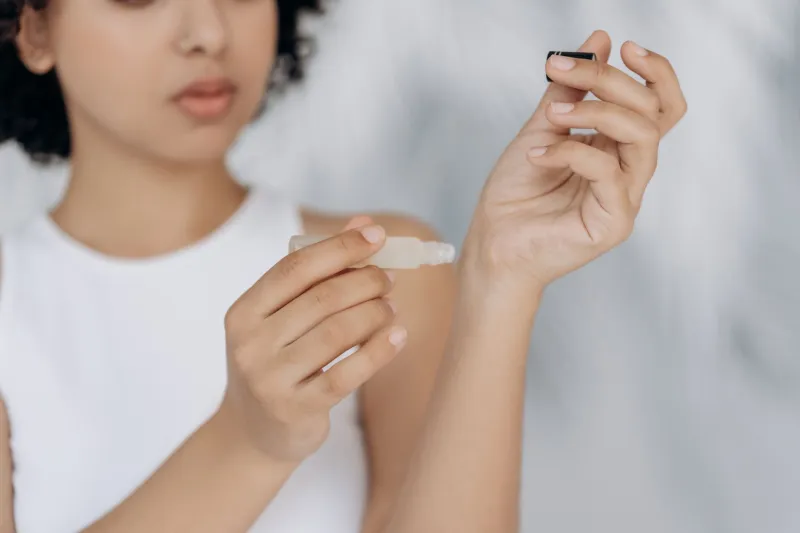
You've done it. Spritzed on a perfume at the department store counter, loved it so much you dropped $120 on the bottle, then worn it home only to realize it smells completely different on your skin than it did on the paper strip. Different in a bad way. Kind of sour, kind of flat, nothing like the warm, floral cloud you were promised.
Here's the thing — that's not a flaw in the fragrance. That's your skin talking.
The intersection of perfumery and dermatology is quietly becoming one of the most interesting conversations in beauty right now, and it goes a lot deeper than "dry skin makes fragrance fade faster" (though, yes, that's also true). We're talking about skin microbiomes, pH levels, and the way your body's chemistry literally rewrites a scent from the top note down. If you've ever felt like fragrance just doesn't work for you, this is the piece you've been waiting for.
What Your Skin Microbiome Has to Do With How You Smell
Your skin is home to trillions of microorganisms — bacteria, fungi, and other tiny residents that form what scientists call your skin microbiome. Most of the conversation around this topic has been focused on acne, redness, and barrier health, which makes sense. But researchers are now paying attention to another role this microscopic ecosystem plays: it actively interacts with fragrance molecules.
When a perfume hits your skin, it doesn't just sit on the surface and evaporate in a straight line. It mingles with your sweat, your sebum, your skin's natural pH, and yes, the metabolic byproducts of all those microorganisms living on you. Certain bacteria produce enzymes that break down fragrance compounds differently depending on the person. This is part of why the same perfume can smell like a citrus dream on your friend and like generic soap on you — your microbiomes are doing completely different things to the same molecules.
Emerging research in what some are calling "skin scent profiling" is exploring whether personalized fragrance recommendations could one day be made based on your individual microbiome composition. Think of it as the skincare DNA test, but for perfume. We're not fully there yet commercially, but the science is real and it's moving fast.
The pH Factor Nobody Talks About at the Fragrance Counter
Healthy skin sits at a slightly acidic pH — somewhere around 4.5 to 5.5. That acidity isn't random; it helps keep your barrier intact and your microbiome balanced. It also has a significant effect on how fragrance molecules behave once they land on you.
More acidic skin tends to accelerate the evaporation of top notes — those bright, immediate scents like citrus or light herbs that you catch in the first few minutes of wearing a perfume. If your skin runs on the more acidic end, you might find that citrus-forward fragrances disappear almost immediately, while warmer, resinous base notes like sandalwood, amber, or vanilla tend to linger and even deepen.
On the flip side, skin that skews more alkaline (which can happen with certain skincare products, hard water exposure, or specific skin conditions) may hold onto those lighter top notes longer but can sometimes cause a fragrance to read as sharper or more medicinal than intended.
This doesn't mean you need to test your skin's pH before every perfume purchase, but it does explain a lot. And it points toward a smarter way to shop: test on skin, wait at least 20 minutes, and pay attention to what's happening in the dry-down — not just that first gorgeous spritz.
Debunking the "Skin Type" Fragrance Myth
For years, the beauty world has loosely suggested that oily skin holds fragrance longer and dry skin doesn't. That's... partially true, but it's also kind of missing the point.
Oily skin does create a richer base for fragrance to cling to, since sebum can act almost like a slow-release carrier for scent molecules. But the idea that people with dry skin are just out of luck is outdated. What matters more is how you apply fragrance and what you apply it on top of.
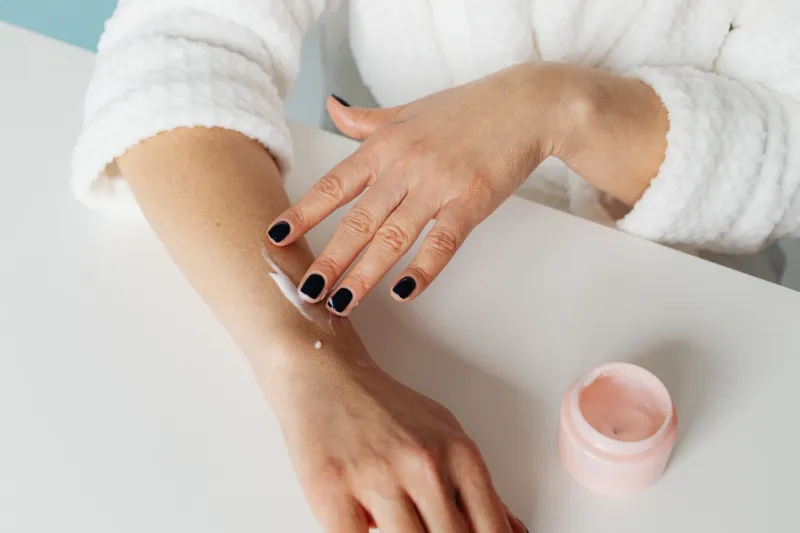
Layering an unscented moisturizer or body oil before your fragrance creates an occlusive base that mimics the effect of naturally oilier skin. Fragrance applied to well-hydrated skin lasts significantly longer and tends to project more evenly. This is especially worth knowing if you've been spraying directly onto dry, bare skin and wondering why your scent disappears by noon.
Also worth noting: certain moisturizer ingredients can actually interact with fragrance in interesting ways. Hyaluronic acid, for example, holds water to the skin's surface and can help fragrance molecules disperse more evenly. Petrolatum and heavier occlusives essentially seal the scent in, which sounds great until you realize it can also mute certain notes entirely.
Which Scent Families Actually Work With Your Skin (Not Against It)
While no single fragrance note is universally flattering or universally problematic, there are some patterns worth knowing about.
Warm, resinous notes — think oud, amber, benzoin, and musks — tend to blend seamlessly with most skin chemistries because they share molecular similarities with the compounds skin naturally produces. These are often called "skin scents" for a reason; they feel like a warmer, more elevated version of your own natural smell.
Citrus and green notes are gorgeous but volatile. They're built to disappear quickly by design, which is why single-note citrus fragrances often feel like they're gone within an hour. If you love this family, look for formulas that anchor the top notes with a woody or musky dry-down — they'll give the brightness somewhere to land.
Florals are wildly variable depending on your skin's chemistry. Rose, in particular, can go either incredibly soft and romantic or slightly soapy and sharp depending on how your skin's pH interacts with the specific rose compounds used. Testing on skin is non-negotiable here.
Skin-irritating notes are a real concern beyond just scent performance. Certain fragrance ingredients — particularly oakmoss, some synthetic musks, and high concentrations of certain aldehydes — are known sensitizers. If you have reactive skin or a compromised barrier, seeking out fragrances labeled hypoallergenic or formulated without common allergens isn't just a preference, it's genuinely protective of your skin's health.
How to Actually Shop Smarter
Given everything, here's a practical approach that makes a real difference:
- Test on your inner wrist or elbow crease, where skin is thinner and the fragrance will interact more directly with your chemistry.
- Give it time. Come back to the scent after 30 minutes. The dry-down is where you'll see your skin's true relationship with a fragrance.
- Rotate where you apply. Pulse points are classic for a reason — warmth amplifies scent — but layering on moisturized skin everywhere extends longevity without requiring more product.
- Pay attention to how your skin feels after. Redness, itching, or a tight feeling after fragrance application is your barrier telling you something isn't right. That's not a "sensitive nose" issue, it's a skin issue worth taking seriously.
- Consider fragrance-free skincare if you're layering heavily. The more scented products in your routine, the more potential for ingredient interactions that could mess with both your skin barrier and the way your actual perfume reads.
The Bottom Line
Fragrance has always been personal. That's kind of the whole point. But the science behind why it's personal is genuinely fascinating — and knowing even a little of it makes you a smarter, more intentional shopper.
Your skin isn't just a canvas for the scents you choose. It's an active participant in how they unfold. Work with your skin's chemistry instead of against it, and you might finally find the fragrance that smells like it was made for exactly you — because in a very real way, it kind of was.