Ceramides Are the Quiet Workhorse Your Skin Has Been Begging For
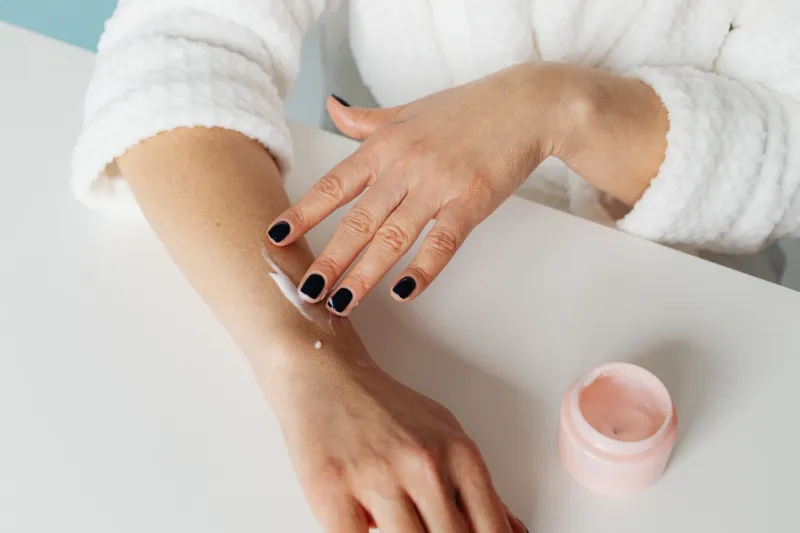
There's a certain category of skincare ingredient that never really gets its moment. No viral TikTok filter named after it. No celebrity swearing it changed their life on a podcast. Just quiet, consistent results — the kind that don't make for great content but absolutely make for great skin. Ceramides live in that category. And if you've been building a routine around retinol, vitamin C, and niacinamide while treating ceramides like fine print, it might be time to rethink your priorities.
So What Even Are Ceramides?
Here's the simplified version: ceramides are lipids — essentially fats — that naturally exist in your skin. They make up a huge portion of the outermost layer of your skin, called the stratum corneum, and they act like the mortar between bricks. Your skin cells are the bricks. Ceramides hold everything together.
When that mortar is intact, your skin does what it's supposed to do: it keeps moisture in and keeps irritants, pollution, and bacteria out. When ceramide levels drop — which happens with age, harsh weather, over-exfoliation, or just genetics — that barrier starts to crack. Literally. You get dryness, redness, sensitivity, and that tight, uncomfortable feeling that no amount of water is fixing.
Dermatologists have been recommending ceramide-containing products for years, not because they're trendy, but because the science is genuinely solid. Studies consistently show that topically applied ceramides can help restore and reinforce the skin barrier, especially in people with conditions like eczema or rosacea. But you don't need a diagnosis to benefit from them. If your skin ever feels reactive, dry, or just off, there's a decent chance your barrier could use some backup.
Why Your Current Moisturizer Might Not Be Cutting It
Here's where it gets a little frustrating. The word "ceramides" on a label doesn't automatically mean a product is doing anything meaningful. Formulators know that consumers are starting to recognize the ingredient, which means some brands use it as a buzzword without putting it in at concentrations that actually matter.
A product that lists ceramides near the very bottom of the ingredient list — after the preservatives and fragrance — probably isn't delivering a therapeutic dose. Ingredients are listed in descending order of concentration in the US, so placement tells you a lot. You want ceramides appearing somewhere in the middle of the list at minimum, ideally earlier.
Also worth knowing: there are multiple types of ceramides, and they work best as a team. Look for products that include ceramide NP, ceramide AP, and ceramide EOP together, or at least two of the three. Some formulas will just say "ceramides" without specifying, which isn't necessarily a dealbreaker, but more transparency is always better.
The Supporting Cast Matters Too
Ceramides don't work in isolation. The most effective barrier-repair products pair them with ingredients that help the skin actually use them properly. Cholesterol and fatty acids — specifically the right ratio of all three — mimic the skin's own natural lipid structure. When you see all three listed together, that's generally a sign the formula was developed with some actual intention behind it.
Hyaluronic acid is another common companion, and it makes sense: ceramides repair the barrier, while hyaluronic acid draws moisture into the skin and holds it there. Together, they cover both the structural and hydration side of the equation.
Niacinamide also plays well with ceramides. It's been shown to support ceramide production in the skin itself, so using a product that includes both is kind of a two-pronged approach — you're topping up from the outside while encouraging your skin to produce more on its own.
When You Actually Need to Prioritize Them
If your skin is generally happy and balanced, ceramides are still worth including in your routine — they're preventive as much as they are corrective. But there are certain situations where they should move to the top of your priority list.
Over-exfoliation is one of the biggest culprits behind a damaged barrier. If you've been layering acids, using a physical scrub, and running a retinol on top of that, your skin is probably screaming for some lipid replenishment. Pulling back on active ingredients and leaning into a ceramide-rich moisturizer for a few weeks can genuinely reset things.
Winter is another obvious moment. Cold air outside plus heated air inside is a brutal combination for your skin's lipid content. A ceramide moisturizer used consistently through the colder months can prevent a lot of the seasonal dryness and sensitivity that people tend to just accept as inevitable.
And if you've ever had a reaction to a product — redness, stinging, breakouts — there's a chance your barrier was already compromised before you even applied it. A compromised barrier lets more of everything in, including potential irritants. Rebuilding it with ceramides can actually make your skin less reactive to other products over time.
How to Shop for Ceramides Without Getting Played
When you're standing in the skincare aisle at Ulta or scrolling through Sephora at midnight, here's a quick mental checklist:
Check the ingredient list placement. Ceramides should appear in the first half of the list, not buried at the bottom.
Look for multiple ceramide types. NP, AP, EOP — the more, the better. A formula with just one type is less complete than one with several.
See what they're paired with. Cholesterol, fatty acids, hyaluronic acid, and niacinamide are all green flags. Heavy fragrance or alcohol near the top of the list is a yellow flag, especially if your skin is already sensitive.
Don't equate price with effectiveness. Some of the most consistently recommended ceramide products are available at the drugstore — CeraVe has built an entire brand identity around this ingredient, and dermatologists recommend it constantly for good reason. You don't need a luxury price tag to get a well-formulated product.
Patch test if your barrier is already compromised. Even well-intentioned products can sting on very irritated skin. Give yourself a few days before going all in.
The Long Game
Ceramides aren't going to give you a dramatic transformation overnight. They're not that kind of ingredient. What they do is build something more valuable: consistent, resilient skin that holds moisture better, reacts less, and handles everything else you put on it more effectively. Think of them as the foundation that makes the rest of your routine actually work.
If your skin has felt a little off lately — tight, flaky, reactive, or just not quite right — it's worth asking whether your moisturizer is actually reinforcing your barrier or just sitting on top of it. The difference is real, and ceramides are a big part of why.