The Skincare Shelf of Good Intentions: Why You're Hoarding Products You're Too Scared to Open
That Unopened Bottle Has Been Judging You Long Enough
We've all done it. You spot a serum on TikTok, the algorithm serves it to you seventeen more times, and eventually you click add to cart because it genuinely seems like the missing piece in your routine. It arrives, you set it on your shelf, and then... nothing. Weeks pass. The box stays sealed. You tell yourself you'll start it when you finish your current moisturizer, when you've done more research, when the timing feels right.
Spoiler: the timing never feels right.
This is what beauty insiders quietly call the audit trap — and it's more common than anyone wants to admit. Your skincare drawer becomes less of a routine toolkit and more of an anxiety archive. Every unopened product represents a decision you haven't made yet, a promise you haven't kept to yourself, and money you're not getting any return on.
Why We Buy Things We're Afraid to Use
The psychology here is genuinely interesting. Beauty marketing is exceptionally good at selling possibility — the idea that this product, this formula, this ingredient could be the thing that finally works. So we buy into the potential. But actually using the product means testing that potential against reality, and reality doesn't always cooperate.
What if it breaks you out? What if it does nothing? What if you use it wrong and ruin your skin? These aren't irrational fears — they're the product of a beauty culture that has spent years telling you that mistakes are catastrophic and that your skin is one wrong step away from disaster.
Add in the price tags. When a moisturizer costs $85, the stakes feel enormous. Using it means risking it. So instead of risking it, you just... keep it. Safe on the shelf. Technically still full of potential.
There's also the sunk cost spiral. Once you've spent real money on something, the psychological weight of that purchase can actually make you less likely to use it, not more. You want to use it at the exact right moment, under the exact right conditions, so you can guarantee it works. And that moment never arrives.
The Viral Recommendation Problem
Here's another layer: a lot of those products sitting unopened on your shelf weren't really bought for you. They were bought for the person in the video who had glowing skin and a convincing before-and-after. Viral beauty recommendations are powerful precisely because they feel personal — but they're not. A product that transformed someone else's skin was formulated for their skin type, their climate, their existing routine, their genetics.
When we outsource our product decisions entirely to influencers, algorithms, and Reddit threads, we stop developing any real literacy about our own skin. We lose the ability to trust our own judgment because we've never had to use it. Every purchase becomes a gamble on someone else's experience, and when it doesn't work (or when we're too afraid to find out if it will), the shelf gets more crowded.
How to Actually Start Using What You Have
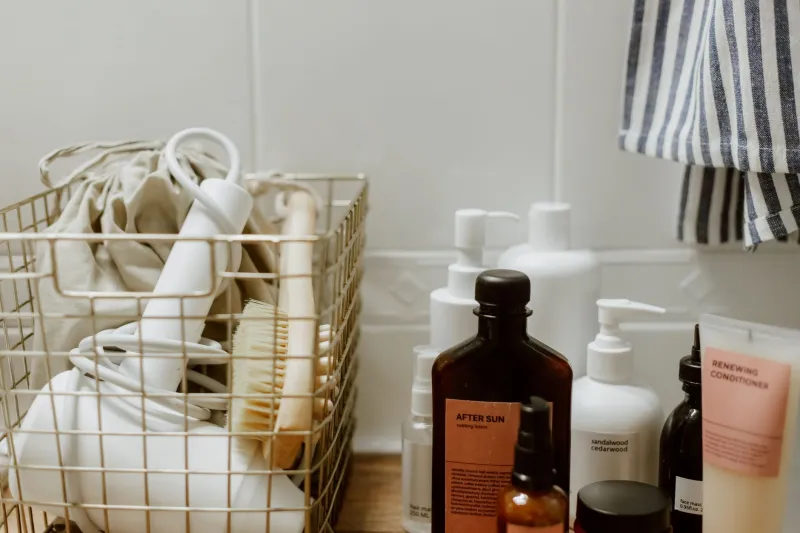
The first move is an honest inventory — not to judge yourself, but to actually see what you're working with. Pull everything out. Group products by type: cleansers, treatments, moisturizers, SPF. Check expiration dates and toss anything that's genuinely past its prime. What's left is your actual starting point.
Now, simplify ruthlessly. You don't need to work through everything at once. Pick one product from each category that genuinely interests you, and commit to a two-week trial. That's it. Two weeks is enough time to notice whether your skin is responding positively, negatively, or not at all.
Give yourself explicit permission to have a neutral experience. Not every product will transform your skin, and that's not a failure — it's information. Skin that stays the same after two weeks of using a new moisturizer is telling you that moisturizer is probably fine but not essential. You can move on without guilt.
Building Confidence in Your Own Skin Read
The longer-term fix is developing your own point of view about what your skin actually needs — separate from what's trending. Start paying attention to how your skin feels at different times of day, in different seasons, after different meals or sleep patterns. Keep it casual; you don't need a spreadsheet. Just notice.
When you're considering a new purchase, ask yourself one honest question: do I actually have a gap in my routine right now, or am I just responding to marketing? Most of the time, you already have something that does the job. The gap is manufactured.
That doesn't mean you should never buy new things — obviously, trying new products is part of the fun of beauty. But buying from a place of genuine curiosity feels completely different from buying out of FOMO. One leads to a routine you actually use. The other leads to a very expensive shelf of good intentions.
The Real Cost of Products You Don't Use
Here's the uncomfortable math: a $50 serum that expires on your shelf cost you $50. A $15 drugstore serum that you use every day for six months? That one actually did something. The price point of a product is completely irrelevant if it never makes contact with your face.
Using your skincare — even imperfectly, even inconsistently — will always beat hoarding it perfectly. Your skin doesn't care about the aesthetic of your shelfie. It just needs you to show up.