Your Makeup Bag Is Not a Time Capsule: The Real Rules for Knowing When to Let Go
Somewhere along the way, we all absorbed the idea that makeup has a strict expiration clock. Open your mascara, start a timer. Use your foundation once, watch it age in real time. The beauty industry has done a pretty solid job of making us feel like our products are constantly on the verge of going rogue — and honestly, a lot of that anxiety isn't backed up by actual science.
The truth is messier, more interesting, and way more forgiving than a simple calendar rule. Some products can last years past their supposed "use by" window without causing any harm. Others genuinely do break down in ways that matter. Knowing the difference isn't just about saving money — it's about understanding what's actually in your bag and treating your skin accordingly.
What That Little Jar Symbol Actually Means
Flip over almost any makeup product and you'll find a tiny open jar icon with a number inside — 6M, 12M, 24M. That's the PAO, or Period After Opening symbol, and it's a European Union regulatory requirement that the US technically doesn't mandate. American brands include it voluntarily, which is great, but it also means those numbers are conservative estimates set by manufacturers to protect themselves legally, not necessarily precise predictions of when your product will turn on you.
Cosmetic chemists have been pretty candid about this: PAO dates are calculated under controlled lab conditions and assume a worst-case scenario for storage and use. Your actual experience will vary wildly depending on how you store products, whether you use clean tools, and the specific formula involved.
The Products That Actually Degrade (Pay Attention Here)
Not all makeup ages the same way, and the ones that genuinely warrant your attention share a few things in common: water content, exposure to air, and contact with your skin or mucous membranes.
Mascara and liquid eyeliner are the real troublemakers, and the six-month rule here actually has teeth. Every time you pump that wand or pull out the liner brush, you're introducing air and potential bacteria into a wet, dark environment that bacteria love. Eye infections are no joke — we're talking pink eye at minimum, and more serious complications if you're unlucky. If your mascara starts smelling off, clumping weirdly, or drying out, don't wait for the calendar to tell you it's done.
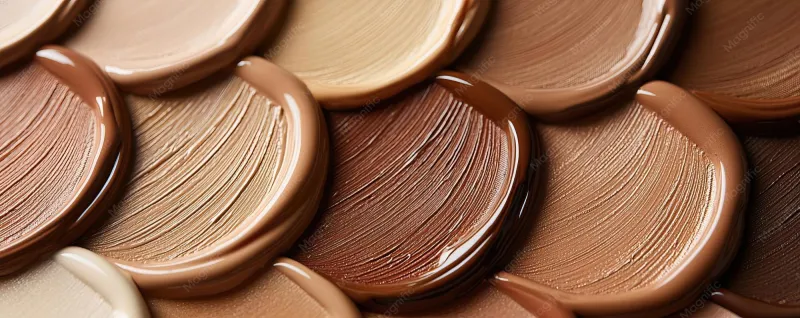
Liquid and cream foundations have water in them, which means they're susceptible to bacterial growth over time. Pay attention to texture changes — if it's separating in ways that won't blend back together, smelling faintly sour, or changing color, that's your signal. A foundation that's been stored properly in a cool, dry place and used with clean brushes or a pump dispenser can absolutely stay good longer than the label suggests.
Lip glosses and lip balms sit in a weird middle zone. The wet formula and constant contact with your mouth makes them a bacteria magnet, especially if you apply directly from the tube. If you've been sick, toss it. Full stop.
The Products That Are Basically Immortal
Here's where things get genuinely surprising — and where a lot of people are throwing away money unnecessarily.
Powder products — eyeshadow palettes, pressed blushes, bronzers, setting powders — are remarkably shelf-stable. With no water content and minimal exposure to conditions that support bacterial growth, a well-made powder product can last years beyond its PAO date without any safety concerns. The main thing that changes is pigment intensity and how the powder presses and blends. If it still performs and smells fine, it's fine.
Lipsticks and lip liners are similarly hardy. The wax and oil base doesn't support bacterial growth the way water-based products do. They can get a little dry or develop a slight bloom on the surface over time, but wiping the tip and moving on is usually all you need. A lipstick you've had for three years that still smells and applies normally? Keep it.
Pencil eyeliners are another long-hauler. Sharpening them regularly removes the exposed surface layer, essentially giving you a fresh product each time. As long as you're sharpening with a clean sharpener, these can last a genuinely long time.
The Real Red Flags (That Have Nothing to Do with Dates)
Forget the calendar for a second and tune into your senses instead. Your products will tell you when something's wrong — you just have to know what to look for.
Smell is your first line of defense. Most makeup doesn't have a strong scent to begin with, so any new or off smell — rancid, sour, chemical — is a clear sign that something has changed in the formula. Oxidized oils smell particularly distinct, almost like old cooking oil. Trust your nose.
Texture changes that don't resolve. Separation, graininess, or clumping that won't blend out regardless of how much you work with the product usually signals formula breakdown. This is especially true for foundations, concealers, and cream products.
Color shifts. Foundations can oxidize and shift warmer or darker. Lipsticks can fade or change hue. If your product looks noticeably different from when you bought it, the formula has changed — and not in a way that's going to flatter you.
Skin reactions. If you're suddenly breaking out, experiencing irritation, or noticing redness in areas where you apply a specific product, that product deserves serious scrutiny regardless of when you opened it.
How You Store Stuff Matters More Than You Think
The bathroom is probably the worst place to keep your makeup, and yet that's where most of us store it. Heat and humidity accelerate everything — bacterial growth, oil oxidation, formula breakdown. If you have a dedicated vanity area away from the shower, that's genuinely better for your products' longevity.
Keeping lids tight, using spatulas or clean brushes instead of fingers, and storing products away from direct sunlight can meaningfully extend how long they stay good. The PAO date assumes none of these precautions — it's the baseline for the least ideal conditions.
The Bottom Line on Letting Go
The beauty industry has a vested interest in you replacing your products regularly, which is worth keeping in mind when you're reading expiration guidance. That doesn't mean product safety is a myth — it just means the rules are more nuanced than a blanket six-month policy.
Use your eyes, your nose, and your skin as your guides. Be strict with anything that touches your eyes or stays wet. Give your powders and pencils the benefit of the doubt. And stop feeling guilty about holding onto that eyeshadow palette you've had since 2021 — if it still works, it still works.
Your makeup bag doesn't need a purge. It just needs a little more attention and a little less anxiety.